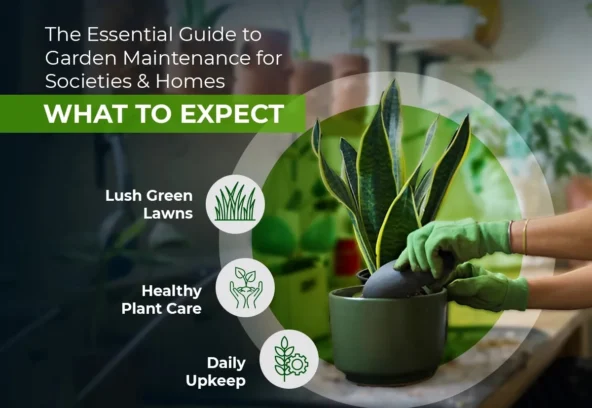


Gardening outdoors can feel like a constant battle against the elements, but it doesn’t have to be that way. The truth is, most garden failures happen because people overcomplicate things or ignore the basics entirely. You don’t need a degree in horticulture to keep plants alive—you just need to understand what they’re actually telling you.
I’ve watched too many neighbors kill perfectly good plants by watering them every single day (spoiler alert: most plants hate that) or by planting sun-lovers in deep shade and then wondering why they look miserable. The secret isn’t having magical green thumbs; it’s about paying attention and working with nature instead of fighting it.
Start With What You’ve Got
Before you even think about what to plant, figure out what you’re working with. Most people skip this step entirely, which is like trying to cook without knowing what’s in your pantry. Your soil might be clay that turns into concrete when it dries, or it could be sand that drains faster than you can water it. Both scenarios require different approaches.
Grab a handful of damp soil and squeeze it. If it holds together like Play-Doh, you’ve got clay. If it falls apart immediately, you’re dealing with sand. Clay holds nutrients but drowns roots; sand drains well but nutrients wash right through it. Neither is inherently bad—you just need to know which one you’re dealing with.
Light patterns matter more than most people realize. Walk around your space at different times and note where the sun actually hits. Plants are surprisingly picky about their lighting preferences, and ignoring this leads to expensive mistakes.


Water Like You Mean It
Here’s where most people mess up: they water a little bit every day and wonder why their plants look pathetic. Plants prefer deep, occasional drinks over constant sipping. Think of it like this—would you rather have someone give you tiny sips of water all day or let you drink properly when you’re actually thirsty?
The finger test works better than any fancy moisture meter. Stick your finger two inches into the soil near your plants. If it’s dry down there, water deeply until you see it coming out the bottom of pots or soaking well into garden beds. If it’s still moist, leave it alone.
Morning watering beats evening watering almost every time. Plants can actually use the water during the day, and wet leaves overnight invite all sorts of fungal problems. Nobody wants to deal with powdery mildew or black spot because they watered at the wrong time of day.
When selecting pots, consider both function and design. Sturdy materials like ceramic, terracotta, or high-quality plastic work well outdoors. Ensure your planters have proper drainage holes to prevent waterlogging and choose shapes and sizes that suit each plant’s growth. Boldly patterned or uniquely shaped planters can even act as décor pieces themselves, turning your garden into a true living paradise.
Feed Them Right, Not Too Much
Plant food is like vitamins—necessary, but more isn’t always better. The biggest mistake gardeners make is overfeeding, especially with nitrogen. Sure, nitrogen makes things green and leafy, but too much creates weak, pest-prone plants that look impressive until the first strong wind or bug attack.
Compost beats synthetic fertilizer in most situations. It feeds plants slowly over time and improves your soil structure as a bonus. You can make your own or buy it—either way, your plants will thank you for the steady nutrition instead of the feast-or-famine cycle that comes with chemical fertilizers.
Watch your plants for clues about what they need. Yellow leaves starting from the bottom usually mean they want nitrogen. Purple-tinged leaves might indicate phosphorus deficiency. Brown, crispy edges suggest potassium problems or overwatering. Plants are constantly communicating—we just need to learn their language.
When Things Go Wrong
Every garden faces problems. Bugs, diseases, weather disasters—it’s all part of the deal. The key is catching issues early instead of waiting until your plants look like they’re auditioning for a zombie movie.
Walk through your garden regularly, ideally with your morning coffee. You’ll spot aphid invasions, early signs of disease, or water stress before they become disasters. Many problems are fixable if you catch them quickly, but become major headaches if you ignore them for weeks.
Beneficial insects do most of your pest control for free if you give them a reason to stick around. Plant some flowers among your vegetables, avoid spraying everything with insecticides, and learn to tell the good bugs from the bad ones. Ladybugs, lacewings, and predatory wasps are your friends—they work harder than you ever could at keeping destructive pests under control.
Working With the Calendar (Or Finding Garden Maintenance Services)
Gardens run on seasonal rhythms, and fighting these cycles makes everything harder. Spring prep determines how your whole growing season goes. Summer means maintaining what you’ve established while dealing with heat and potentially drought. Fall cleanup and soil improvement set you up for next year’s success.
The best gardens aren’t perfect—they’re functional systems that get better over time. Each season teaches you something about your specific growing conditions, and experienced gardeners know that plant casualties are part of the learning process. If you’re overwhelmed or short on time, garden maintenance services can handle the heavy lifting while you focus on the parts you enjoy most. There’s no shame in getting help with tasks like soil preparation, seasonal cleanup, or pest management.
Start with easy-to-grow varieties, pay attention to what works in your particular spot, and don’t take losses personally. Even professional growers kill plants sometimes—it’s how you learn what not to do next time.
Walk through your garden regularly, ideally with your morning coffee. You’ll spot aphid invasions, early signs of disease, or water stress before they become disasters. Many problems are fixable if you catch them quickly, but become major headaches if you ignore them for weeks.
Beneficial insects do most of your pest control for free if you give them a reason to stick around. Plant some flowers among your vegetables, avoid spraying everything with insecticides, and learn to tell the good bugs from the bad ones. Ladybugs, lacewings, and predatory wasps are your friends—they work harder than you ever could at keeping destructive pests under control.