

Starting a garden can feel overwhelming, but with the right guidance, anyone can cultivate a thriving green space. Whether you’re dreaming of a lush backyard oasis or simply want to add some life to your balcony, these essential gardening tips for beginners will set you on the path to success.
Start Small and Plan Smart
The biggest mistake new gardeners make is taking on too much at once. Begin with a small area or a few containers, and gradually expand as you gain confidence and experience. Consider your available space, sunlight exposure, and time commitment before diving in.
- Assess your outdoor space and sunlight patterns
- Consider professional landscaping designs if you’re planning a major garden overhaul
- Choose between container gardening, raised beds, or traditional ground planting
- Factor in access to water and storage for tools
- Select the right seeds suited for your climate, soil, and desired harvest


Essential Tools and Equipment
You don’t need expensive equipment to start gardening, but having the right basic tools makes a significant difference:
- Hand trowel and weeder
- Pruning shears
- Watering can or hose
- Quality pots and planters for container gardening
- Outdoor plant pots in various sizes for different plants
- Garden gloves and knee pads
For those interested in maximizing small spaces, vertical garden walls are an excellent solution that allows you to grow more plants in limited areas while creating an attractive living wall effect.
Choosing the Right Plants
As a beginner, select plants that are forgiving and suited to your local climate and growing conditions. Start with:
- Easy vegetables: lettuce, radishes, tomatoes, herbs
- Hardy flowers: marigolds, sunflowers, zinnias
- Low-maintenance perennials: lavender, black-eyed Susan, coneflowers
Consider plants on rent services if you want to experiment with different varieties before committing to purchasing them, especially for expensive or exotic plants.
Understanding Soil and Fertilization
Healthy soil is the foundation of successful gardening. Most plants thrive in well-draining soil rich in organic matter. Test your soil pH and amend it with compost or other organic materials as needed.
Soil Improvement Tips:
- Add compost regularly to improve soil structure
- Ensure proper drainage to prevent root rot
- Mulch around plants to retain moisture and suppress weeds
- Learn to read your plants for signs of nutrient deficiency
Watering Wisdom
Proper watering is crucial but often misunderstood. Most plants prefer deep, less frequent watering over daily light sprinkles. Water early in the morning to reduce evaporation and prevent fungal diseases.
Watering Guidelines:
- Check soil moisture by inserting your finger 1-2 inches deep
- Water at the base of plants, not on leaves
- Adjust watering frequency based on weather and season
- Consider drip irrigation systems for consistent moisture
Garden Maintenance and Care
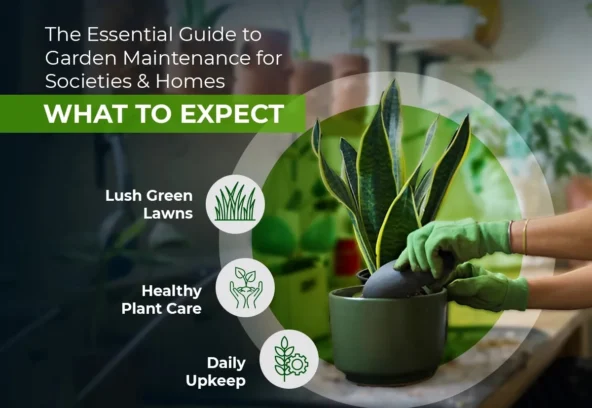
Regular maintenance keeps your garden healthy and productive. Set aside time each week for basic garden maintenance services tasks, even if you’re doing them yourself:
- Weekly tasks: weeding, deadheading flowers, checking for pests
- Monthly tasks: fertilizing, pruning, cleaning tools
- Seasonal tasks: planting, harvesting, preparing for weather changes
For busy gardeners, consider professional garden maintenance services for more complex tasks like soil amendment, pest management, or seasonal clean-up.
Dealing with Common Problems
Every gardener faces challenges. Here’s how to handle common issues:
Pest Management:
- Identify pests correctly before treating
- Use integrated pest management approaches
- Encourage beneficial insects with diverse plantings
- Regular inspection helps catch problems early
Disease Prevention:
- Ensure good air circulation around plants and in soil
- Avoid overhead watering when possible
- Remove affected plant material promptly
- Choose disease-resistant varieties when available
Growing Your Gardening Knowledge
Gardening is a lifelong learning journey. Connect with local gardening communities, extension services, and online resources. Keep a garden journal to track what works and what doesn’t in your specific conditions.
Continuous Learning Resources:
- Local master gardener programs
- Gardening clubs and communities
- Online forums and gardening websites
- Seasonal gardening workshops
Corporate and Community Gardening
Gardening isn’t just for homes. Many businesses are incorporating plants into their spaces for improved air quality and employee well-being. Corporate Gifting with plants has become increasingly popular, offering a sustainable and memorable way to show appreciation to clients and employees.
Seasonal Gardening Care
Understanding your local growing seasons is crucial for timing plantings, harvests, and maintenance tasks. Create a seasonal calendar specific to your region and plant varieties.
- Spring: Planning, soil preparation, early planting
- Summer: Regular maintenance, watering, harvesting
- Fall: Late-season planting, harvest preservation, garden cleanup
- Winter: Planning next year’s garden, tool maintenance, indoor plant care
Conclusion
Gardening is a rewarding hobby that provides fresh food, beautiful flowers, and a connection to nature. Start small, be patient with yourself, and remember that every experienced gardener was once a beginner. With these fundamental tips and consistent care, you’ll soon discover the joy and satisfaction that comes from nurturing plants and watching them thrive.
If you would like to know more about How to Care for your Outdoor Garden, then click here and check out our Detailed Blog!
Remember, the best garden is the one that fits your lifestyle, space, and goals. Don’t compare your beginning to someone else’s middle – focus on your own gardening journey and celebrate every small success along the way.